When it comes to affiliate marketing, your strategy should depend on your situation.
Some affiliates have a lot of capital. Others have very little. Some people have plenty of free time, while others are extremely busy.
Because of that, there’s no universal formula that works for everyone.
You need to build your strategy based on your own circumstances — and based on the current state of the market.
In this article, I’ll share a few mindset-level insights and practical lessons that you can apply to your own affiliate journey.
The Importance of Business Strategy
Business strategy is one of the few things nobody can truly steal from you.
Right now, the affiliate marketing industry has very low barriers to entry. With spy tools, people can easily uncover:
- Your ad creatives
- Your landing pages
- Your offers and affiliate networks
But they still can’t see your strategy.
That’s why building a solid strategy is so important.
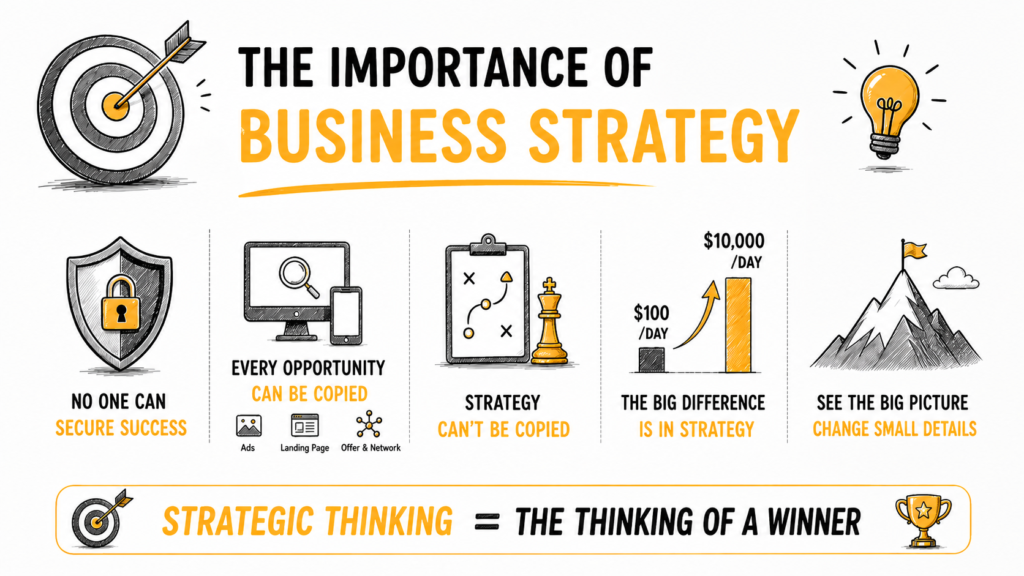
There’s a massive difference between someone making $100 per day and someone making $10,000 per day.
Top affiliates tend to stay calm and focus on the bigger picture.
Meanwhile, most affiliates are obsessed with low-level tactics. They believe a special tool, a clever trick, or a certain headline formula will completely change their results.
But if you want to become a high-level affiliate marketer, you need to think beyond small tactics.
You need to focus on the bigger picture.
Choosing the Right Offer to Promote
I want to share the story of someone when he first started affiliate marketing.
After spending a few months learning the basics, he finally felt ready to launch his first ad campaign.
His budget was actually pretty decent: $1,000 per month.
(Life isn’t fair sometimes — that was about four times bigger than my starting budget.)
At that point, he got stuck on one major question: which niche and product should he promote?
He joined an affiliate network and immediately became overwhelmed by the thousands of offers available.
You’ll probably experience the same thing.
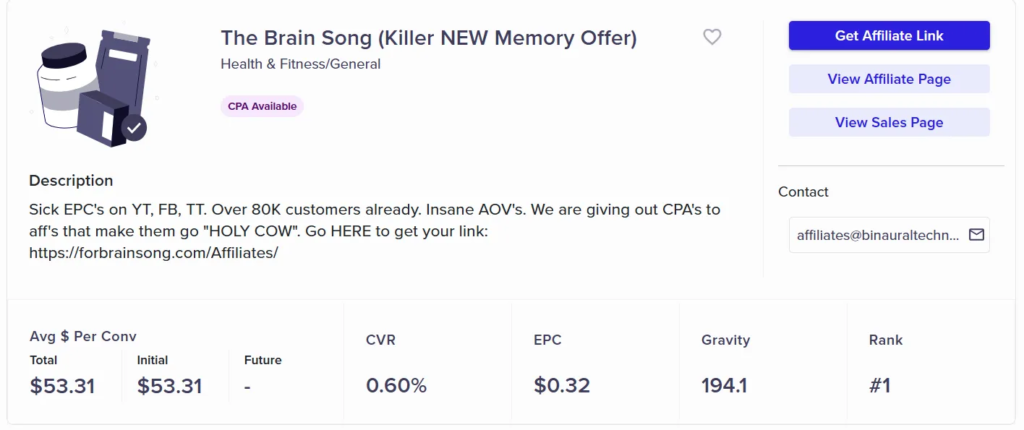
For his first campaign, he decided to promote a beauty product that paid a $55 commission per sale. What was interesting was the way he chose the product.
He said:
“My affiliate manager said this is one of the hottest offers on the network. That means people are already making money with it.”
And his second reason was simple: the payout was high.
He said:
“Why would I promote a $2 offer when this one pays $55?”
Do you agree with that mindset?
To be fair, the logic makes sense at first glance.
In general, promoting proven and popular offers is a smart move because they’ve already been validated by the market. If other affiliates are making money with them, the offers clearly have conversion potential.
But there are two important things he didn’t analyze deeply enough:
1. Choose an Offer That Matches Your Level
In the example above, this beginner forgot something important:
The offer might have been beyond his current skill level.
At the time, he had never launched a real affiliate campaign before. This was his very first one.
And yes — some affiliate campaigns are simply too advanced for beginners.
Experienced affiliates are often making huge profits because they already have advantages that new marketers don’t:
- Better tools
- Strong traffic sources
- Teams and support systems
- Years of testing experience
A beginner usually has none of those things.
That’s why you should choose offers that match your current level and resources.
Think of it like climbing a staircase.
People move up one step at a time.
Affiliate marketing is a long-term business journey, not something you master overnight.
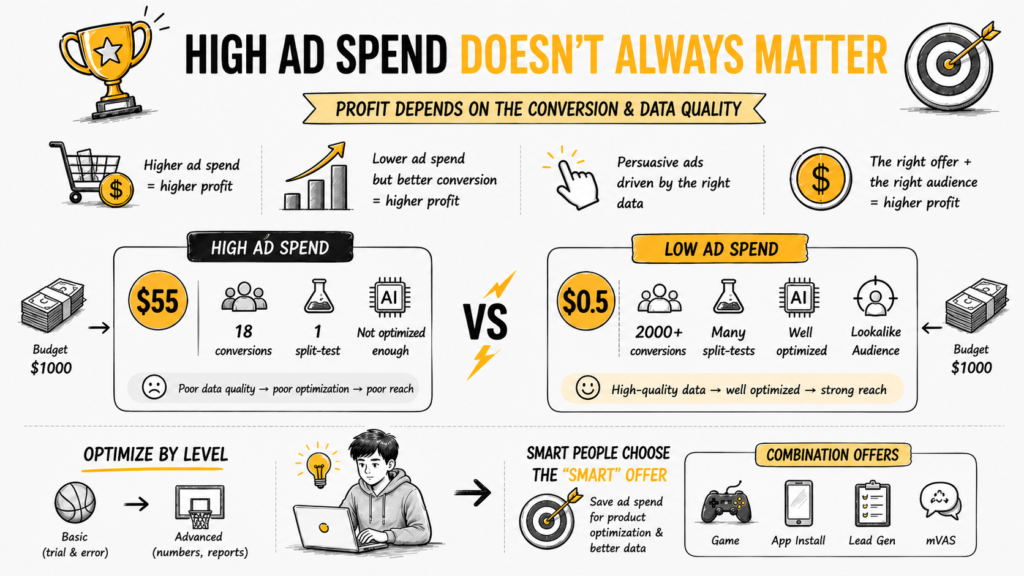
2. Commission Size Isn’t as Important as You Think
Let me ask you something:
Do you believe higher commissions automatically mean higher profits?
Not necessarily.
In many cases, lower-paying offers actually convert much better — and are much easier to run successfully.
Think about it:
- Convincing someone to buy a product is difficult.
- Convincing someone to sign up for a free service is much easier.
If your traffic cost is cheap enough and the offer converts well enough, those small payouts can become extremely profitable.
Let’s look at two simple examples.
Scenario #1
Suppose you have a $1,000 budget and you promote an offer that pays a $55 commission.
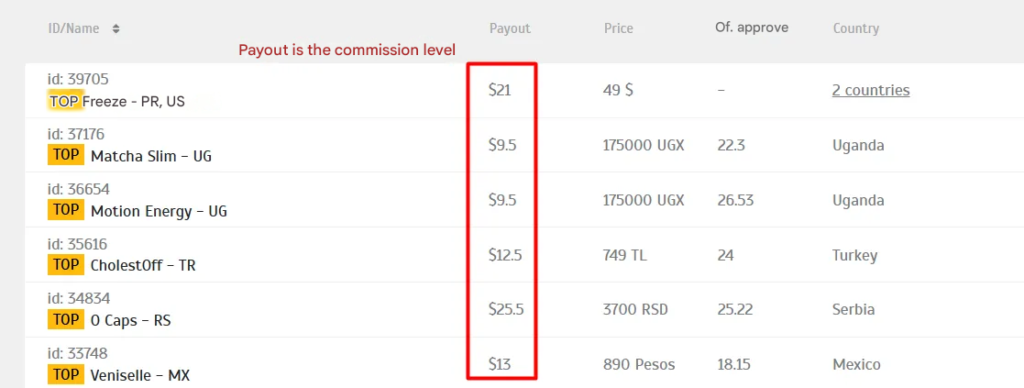
Let’s say you get lucky and break even on the campaign.
How many conversions would you have?
Only around 18 sales.
Now ask yourself:
How many split tests could you realistically run with that amount of data?
Maybe one.
And even then, the sample size may not be statistically reliable.
You still wouldn’t clearly know:
- Which landing page converts better
- Which ad creative performs best
- Which audience responds the strongest
And if you’re running Facebook Ads, 18 conversions usually aren’t enough for the algorithm to properly optimize the campaign. Facebook typically wants at least 50 conversions for stable optimization.
Scenario #2
Now imagine you still have the same $1,000 budget, but this time you’re promoting offers that pay only $0.50 per conversion.
If you break even, you would generate around 2,000 conversions.
That’s a massive amount of data.
You could run many split tests, gather real insights, and learn much faster as an affiliate marketer.
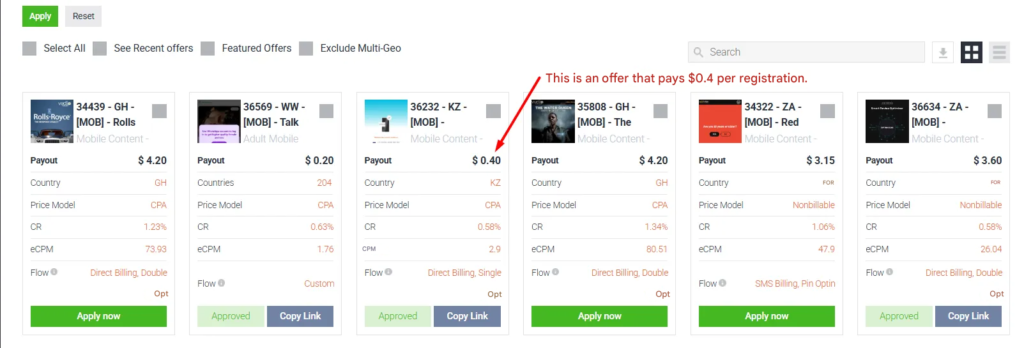
And if you’re using Facebook Ads, 2,000 conversions give the algorithm more than enough data to optimize aggressively. You could even build powerful Lookalike Audiences from it.
Affiliate marketing has different levels — just like sports.
- Imagine you’re learning basketball for the first time.
- You don’t start with advanced dunking techniques.
First, you learn the basics:
how to catch the ball, dribble, and shoot properly.
Only after mastering the fundamentals do you move on to more advanced skills.
Affiliate marketing works the same way.
As a beginner, you need to find a “playing field” that matches your level.
Low-payout but high-converting offers can give you far more data, experience, and learning opportunities.
These types of offers often include:
- Mobile games
- App installs
- Lead generation offers
- mVAS offers
- Free trial or signup offers
For beginners, these can be excellent training grounds for building real marketing skills.
Don’t Swim With Sharks
Imagine you just started learning poker and decide to play a few games.
There are two tables available.
- At the first table, you’re sitting with world-class poker players like Scotty Nguyen, Daniel Negreanu, Tom Dwan, and Phil Galfond.
- At the second table, there are several drunk billionaires who are terrible at poker — but all of them believe they’re amazing players.

If your goal is to make money, which table would you choose?
Obviously, you’d play with the drunk billionaires.
You’ll usually make far more money by avoiding direct competition with the strongest players.
The same principle applies to affiliate marketing.
- Don’t swim with sharks.
- One of the biggest factors behind success is choosing the right market.
There’s a famous book called Blue Ocean Strategy that talks about finding profitable markets with low competition instead of fighting in overcrowded spaces.
It’s a concept worth studying.
Applying the Blue Ocean Strategy
A huge number of beginners fail because they jump into markets that are already overcrowded and hyper-competitive.
- They’re making the game unnecessarily difficult for themselves.
- They pick traffic sources, target countries, and niches where they realistically have very little chance of winning.
Personally, I actually enjoy competition.
I like running ads in major markets.
When you have enough capital and experience, competing in aggressive markets can be extremely profitable.
But it also requires massive amounts of testing, creative production, and optimization.
You’ll need to launch many campaigns and constantly create new ad angles.
Imagine a beginner sitting at a poker table with elite professionals.
Sure, they might win a few hands through luck.
But winning the overall game consistently? That’s a different story.
That’s why you need to choose a battlefield that matches your current level.
In online business, countries like the United States, the United Kingdom, Australia, and Canada are incredibly competitive.
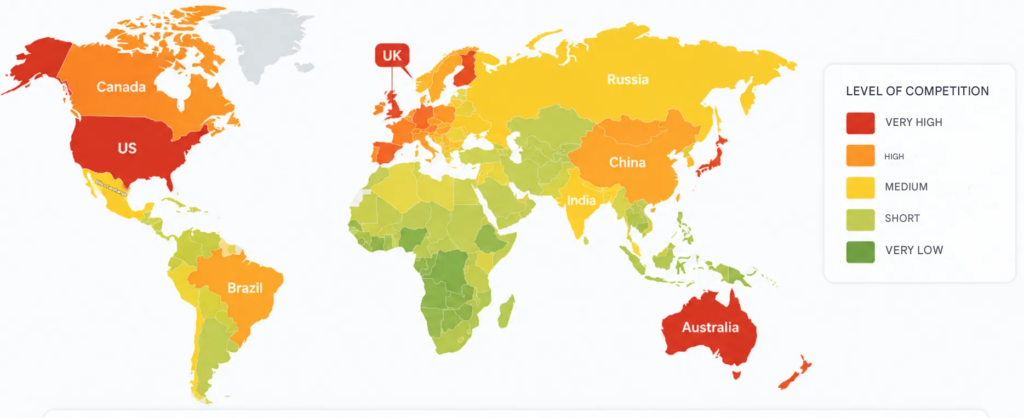
When you run Facebook Ads in the U.S., you may be competing directly against large companies and professional media-buying agencies with huge budgets and full teams.
So why do so many affiliate beginners immediately jump into these markets?
Usually for two reasons:
- First, they simply don’t know there are better opportunities elsewhere.
- Second, they’re impatient. They see screenshots of people making huge amounts of money and want to jump in immediately.
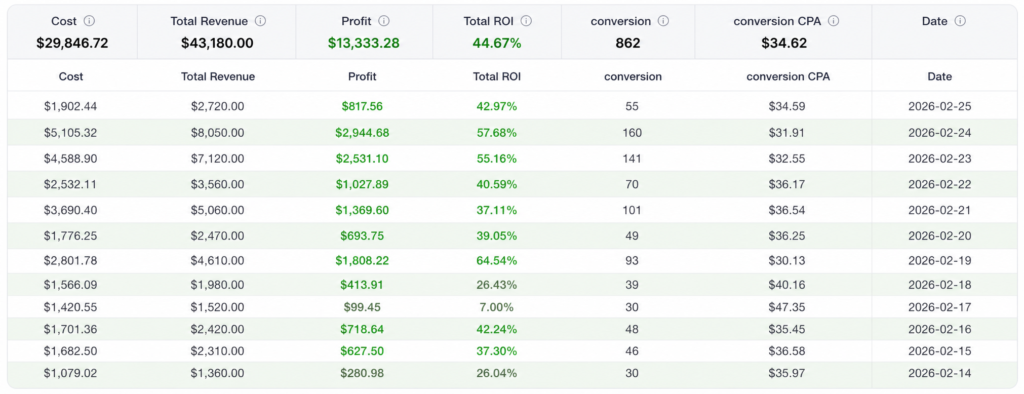
So where should beginners focus instead?
I generally recommend looking for markets with lower competition.
Even the world’s largest companies prefer markets where competition is weaker.
Experienced affiliates often target countries like the U.S., U.K., Canada, and Australia because purchasing power is extremely strong there.
But there are also many other countries with far less competition — and still plenty of opportunity.
For example, Southeast Asia and South America can be very interesting regions to explore.
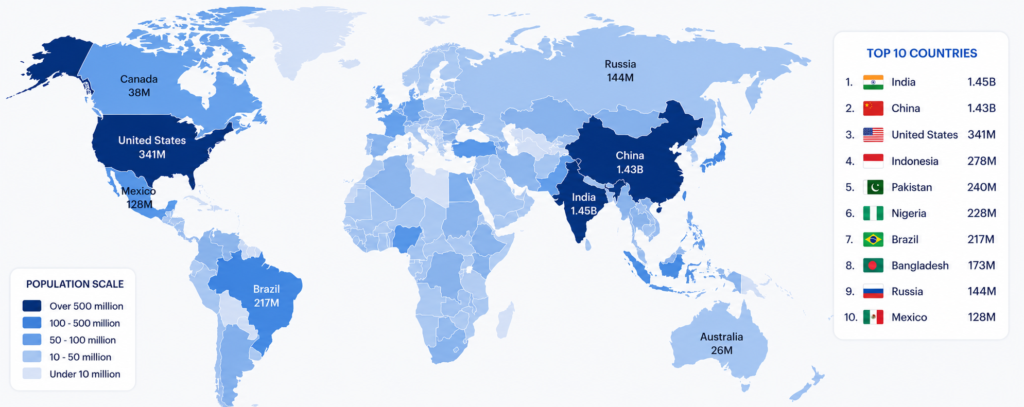
Large populations, growing internet adoption, and lower advertising competition can create excellent opportunities for affiliates willing to test new markets.
Ironically, many affiliates ignore global markets entirely and focus only on English-speaking countries.
- But localizing ads and landing pages isn’t nearly as difficult as it used to be.
- You can translate your ads and landing pages into local languages quite easily.
For example, you could translate a landing page into Turkish and run campaigns in Turkey.
Today, marketers from all over the world are competing globally.
And with modern AI translation tools, adapting ads and landing pages into different languages has become easier than ever.
Find Mentors and Build Relationships With Other Affiliates
Imagine you want to learn basketball.
The fastest way to improve would be to find a coach or mentor.
Experienced players can dramatically speed up your learning process and help you avoid developing bad habits from the beginning.
But realistically, how easy is it to get personal coaching from someone like Michael Jordan or another world-class professional?
Probably not very easy.
They’re busy.
So instead, you might learn the fundamentals from a local coach. You might also learn a lot from friends who have been playing basketball for years.
Affiliate marketing works the same way.
I’ve noticed that many beginners try to find mentors by emailing me or reaching out to well-known affiliates in the industry.
- And honestly, I’d love to help everyone.
- But I simply don’t have enough time for one-on-one coaching.
That said, there are still many successful affiliates out there who are willing to teach and share knowledge with beginners.
A Practical Example of Finding Support and Mentorship
If you email me and ask me to become your personal mentor, honestly, that would be difficult.
I simply don’t have enough time to coach people individually.
But that doesn’t mean you can’t find help.
Instead, try connecting with local affiliates or marketers around you.

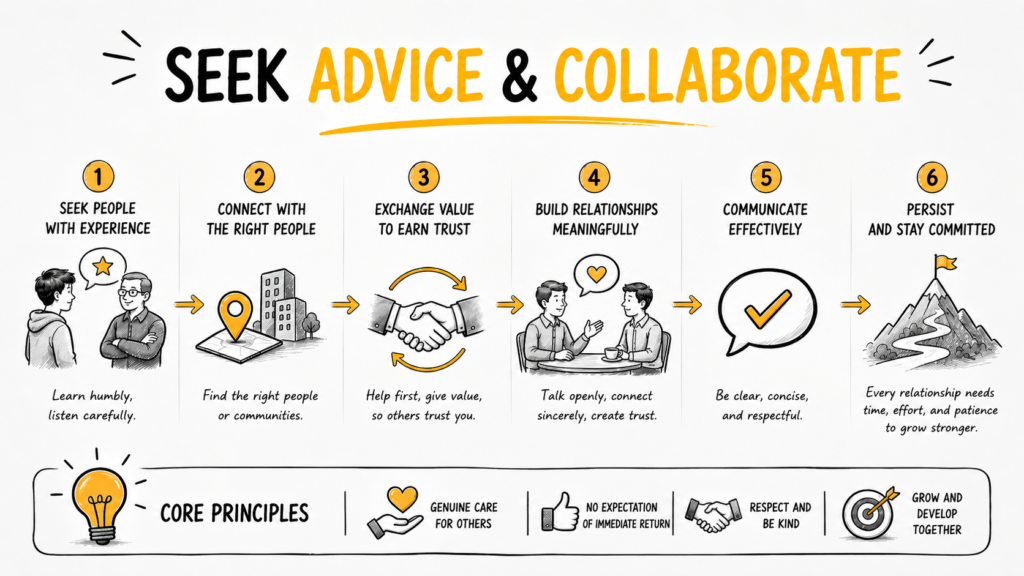
Invite them out for coffee. Offer value first. Use your own skills to help them in some way — and in return, they may share valuable insights and experience with you.
For example, if you’re a programmer, you could help someone build landing pages or fix technical issues. In exchange, they might teach you affiliate strategies or campaign optimization.
Relationships should be mutually beneficial.
Very few people will give away valuable knowledge completely for free.
- To build these kinds of relationships, social intelligence matters.
- You need to communicate well and understand how to interact with people properly.
Honestly, successful networking is much simpler than most people think.
You don’t need to become some kind of master communicator.
You just need to:
- Respect other people
- Avoid being selfish
- Don’t take advantage of kindness
- Don’t try to be overly clever or manipulative
That alone already puts you ahead of many people.
The best way to build strong relationships is simple:
Give value first.
If every conversation is just you asking for help, advice, and secrets, people will naturally avoid you.
You need to contribute something, interact naturally, and build trust over time.
And relationships require investment — time, effort, and sometimes even money.
When I first started affiliate marketing, I wanted to talk with experienced affiliates in the industry.
But back then, I typed very slowly.
I was afraid of wasting their time, so I would prepare my messages carefully in advance and wait until they came online before sending them.
Sounds funny?
Yes, I actually did that.
But because I genuinely respected their time and approached them sincerely, I was able to build good relationships and learn many valuable lessons along the way.
Focus Deeply on One Traffic Source and One Niche
A lot of beginners get stuck at this stage because there are simply too many choices.
So what should you focus on?
For beginners, I usually recommend starting with:
- Facebook Ads
- Mobile advertising (CPA affiliate marketing)
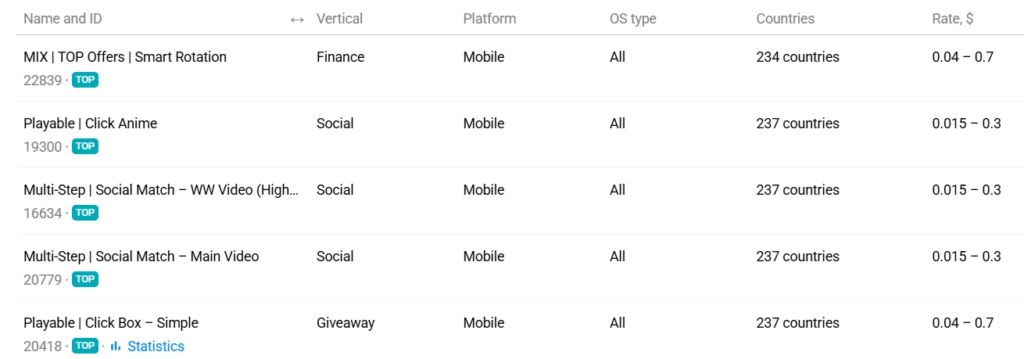
My next piece of advice is to choose a proven niche.
Yes, popular niches are more competitive.
But at least you already know money is being made there. The market has already validated the demand.
One common mistake beginners make is looking at an offer page and trying to guess whether it will be profitable.
They see a beautifully designed landing page and immediately decide to run ads to it.
But a good-looking offer does not automatically mean a profitable offer.
And when campaigns fail, you don’t just lose money.
You also lose:
- Research time
- Landing page setup time
- Ad creation time
- Testing effort
That’s why you need to make your decisions carefully.
In affiliate marketing, choosing the right battlefield is often just as important as running the ads themselves.
Pay Attention When Choosing Offers to Promote
To identify a potentially profitable offer, you need to ask the right questions:
- What does the offer page look like?
- Has it been optimized for conversions?
- What payment methods are available?
- Does the page load quickly?

Here’s an important mindset:
If 100 affiliates are already making money with an offer, you don’t need to become the best affiliate in the world.
You just need to perform slightly better than the lowest profitable affiliate.
That alone can already make you profitable.
Now let me show you a very common beginner journey in affiliate marketing:
A Typical Beginner Path
- A beginner starts with Native Ads and loses $200.
- He quits Native Ads and jumps into Mobile Ads because they’re “hot,” then spends an entire month learning them.
- After failing with mobile traffic, he switches to adult traffic because he read a “success story” about a newbie making $1,000 per day.
- That doesn’t work either, so now he moves to Facebook Ads after reading another article claiming Lead Gen offers are extremely profitable.
- His Facebook ad account gets banned, and he quits affiliate marketing entirely — convinced the whole industry is a scam.
The real problem wasn’t affiliate marketing.
The problem was lack of focus.
He kept jumping between different niches, traffic sources, and ad formats without staying long enough to develop real skill in any of them.
In affiliate marketing, focus is extremely important.
You should stay in one niche and one traffic source long enough to truly understand how it works and become profitable.
Only after gaining experience should you expand into other areas.
Now imagine a different scenario:
What if you spent three straight months learning mobile advertising while focusing on only one niche?
Here’s what would probably happen:
- You would deeply understand the traffic source
- You would discover several promising ad angles
- You would start building profitable campaigns
- You would learn strategies from other affiliates in that niche
- You would gain real experience testing landing pages and offers
- You would know exactly what needs to be prepared before launching campaigns
That is the power of focusing on the right opportunity long enough to master it.
I Know Affiliate Marketing Is Hard
At this point, you probably understand the importance of sticking with one traffic source and one niche.
But there’s still a difficult question:
How do you know whether you chose the right path in the first place?
Here are two pieces of advice I’d give beginners:
- Follow strategies that are already proven to work
- Don’t try to reinvent the wheel
Another important rule:
Set a maximum testing budget for your campaigns.
If a campaign loses more than the amount you originally planned to risk, stop and move on.
Risk management matters.
And if you’re starting with limited capital, I strongly recommend investing heavily in learning before spending heavily on ads.
- Study as much as possible.
- Prepare carefully.
- Build your knowledge first.
The more you understand, the lower your risk becomes.
Becoming truly skilled takes time.
But in today’s AI-driven world, expertise is becoming more important than ever.
Many jobs are already disappearing because of automation and AI.
If you want to build wealth and create real opportunities for yourself, this is not the time to stay comfortable.
It’s the time to seriously get to work.
Prepare Enough Capital Before Entering the Game
What if you want to start affiliate marketing or an online business, but you don’t have much money?
This is a very common problem — especially in countries where the local currency keeps losing value against the U.S. dollar.
And when running ads internationally, most platforms require payment in USD.
So if your budget is limited, I generally see three possible approaches:
- Focus on SEO and free traffic instead of paid ads
- Slowly save and build up capital over time
- Find investors or partners who already have money
If you can convince the right people to invest in you, then you’ll have the capital needed to run campaigns.
In fact, I personally used this approach when I first started affiliate marketing.
But if you go down this route, communication and trust become extremely important.
You need to be transparent about money, expectations, and risk.
Otherwise, partnerships can quickly fall apart.
Final Thoughts
In this article, I’ve shared some of my personal experiences and lessons from affiliate marketing.
Sometimes people will tell you:
“Affiliate marketing is extremely hard.”
And honestly, they’re right.
But every worthwhile industry is difficult.
Business has never been easy.
Affiliate marketing, however, can become your entry ticket into the larger world of online business.
That’s why persistence matters.
I still remember someone who used to read my blog years ago. After a long time, he came back and told me his business had grown significantly — to the point where he was even able to launch his own affiliate network.
Stories like that genuinely make me happy.
They remind me that the time and effort spent writing and sharing knowledge were not wasted.